
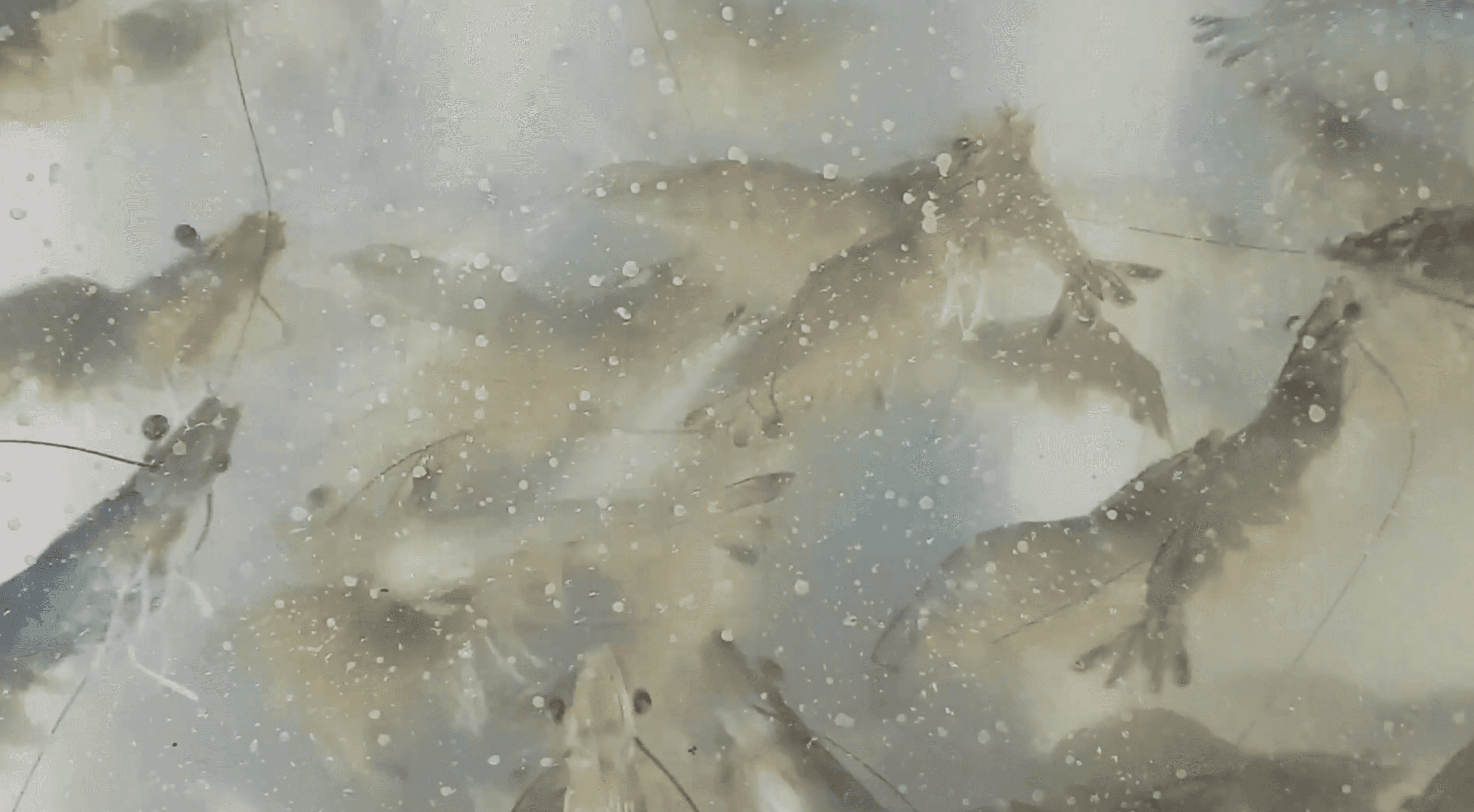
The Role of Biosecurity in Sustainable Shrimp Farming
Building long-term aquaculture sustainability through scientifically controlled and disease-safe farming systems.
Biosecurity has become one of the most critical foundations of modern shrimp farming. As global aquaculture production continues to expand, preventing biological threats and maintaining controlled farming environments are essential for achieving long-term sustainability and operational success.
Disease outbreaks remain one of the biggest challenges faced by shrimp farmers and hatcheries worldwide. Pathogens such as WSSV, EHP, Vibrio, IMNV, MBV, and other microbial threats can rapidly spread across hatcheries and farms, resulting in production losses, reduced survival rates, poor hatchability, and severe economic impact.
Many of these biological risks originate from uncontrolled environmental exposure, contaminated water systems, poor hygiene practices, and unsafe biological feed sources. As shrimp farming intensifies, traditional approaches are no longer sufficient to maintain operational stability.
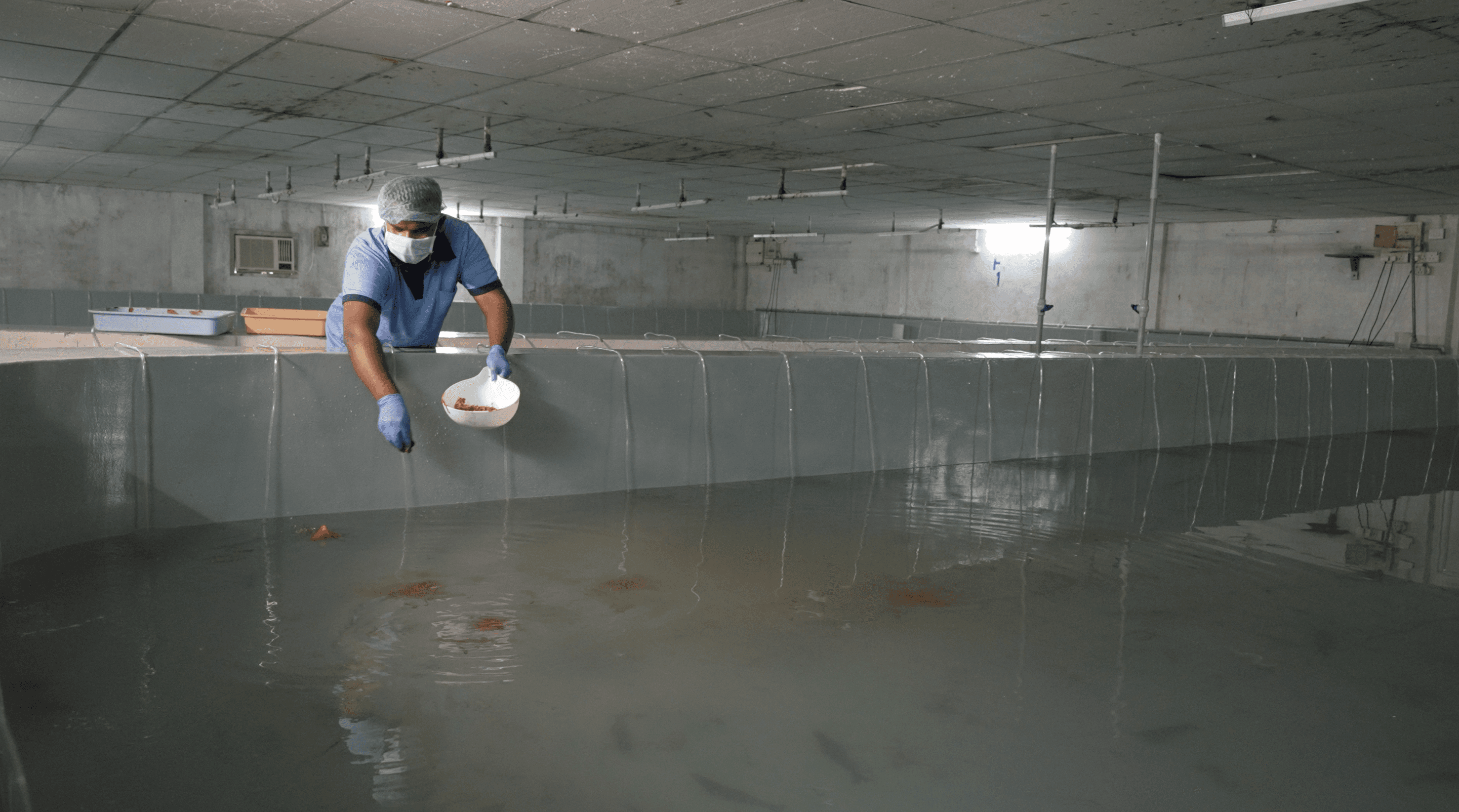
This is where biosecurity plays a vital role. Scientifically designed bio-secured systems help minimize disease risks by creating controlled and monitored cultivation environments. Advanced filtration systems, UV treatment processes, microbiological testing, controlled breeding conditions, and structured hygiene protocols all work together to reduce contamination and improve biological safety.
Biosecurity also supports greater operational consistency. Stable water quality, monitored environmental conditions, and controlled biological inputs help hatcheries and farms maintain healthier broodstock performance and more reliable production outcomes.
Another important aspect of biosecurity is sustainability. Disease outbreaks not only affect farm productivity but also increase resource wastage, financial instability, and environmental stress. By reducing biological threats and improving culture reliability, bio-secured systems help create more sustainable aquaculture ecosystems for the future.
As the aquaculture industry evolves, biosecurity is no longer considered an optional practice — it has become a core requirement for responsible and sustainable shrimp farming. The future of aquaculture depends on science-driven systems that prioritize prevention, stability, and long-term biological safety.
BLOG & INSIGHTS
Exploring innovations, strategies, and the future.
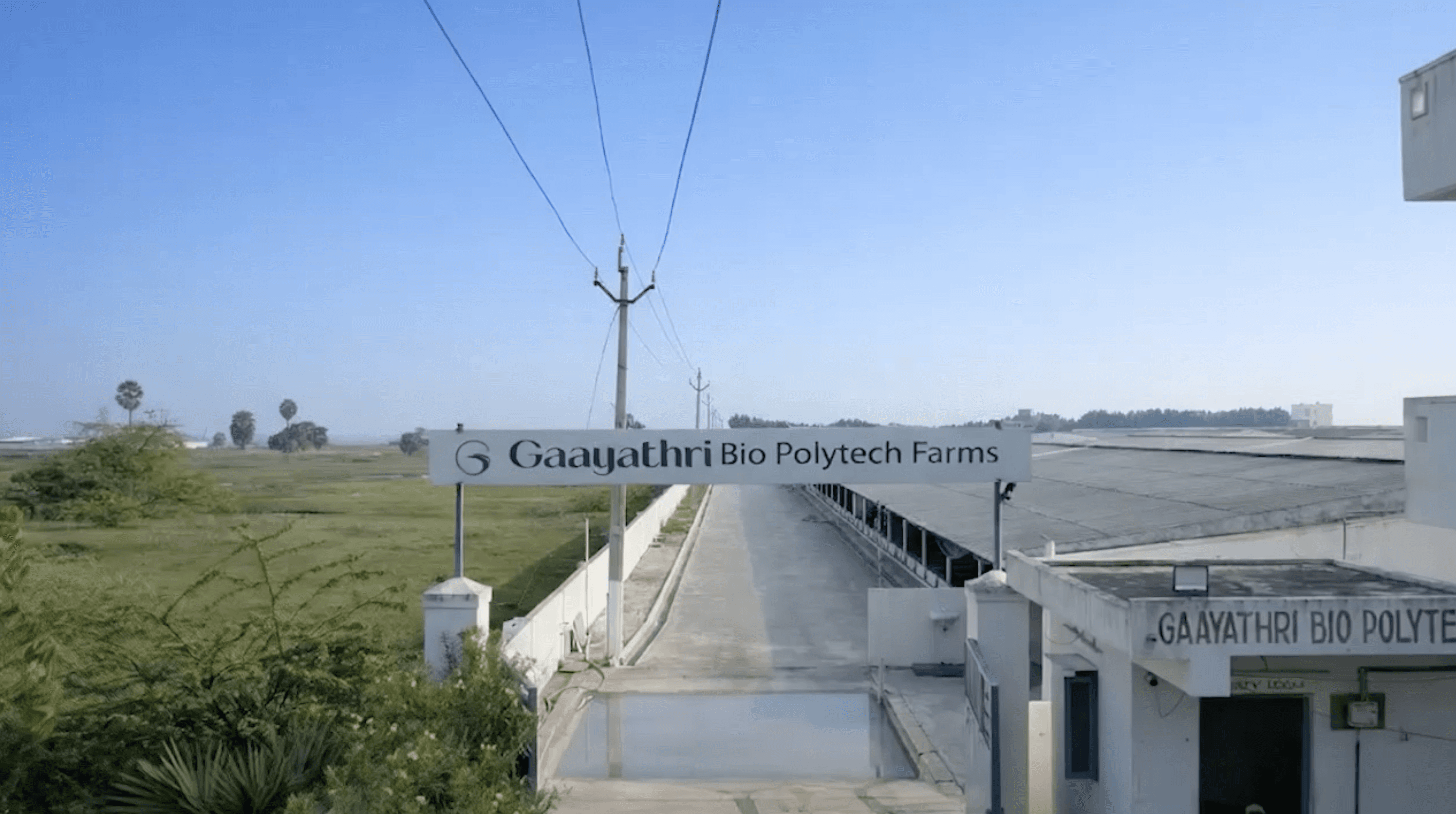
The Role of Biosecurity in Sustainable Shrimp Farming
Building long-term aquaculture sustainability through scientifically controlled and disease-safe farming systems.
Biosecurity has become one of the most critical foundations of modern shrimp farming. As global aquaculture production continues to expand, preventing biological threats and maintaining controlled farming environments are essential for achieving long-term sustainability and operational success.
Disease outbreaks remain one of the biggest challenges faced by shrimp farmers and hatcheries worldwide. Pathogens such as WSSV, EHP, Vibrio, IMNV, MBV, and other microbial threats can rapidly spread across hatcheries and farms, resulting in production losses, reduced survival rates, poor hatchability, and severe economic impact.
Many of these biological risks originate from uncontrolled environmental exposure, contaminated water systems, poor hygiene practices, and unsafe biological feed sources. As shrimp farming intensifies, traditional approaches are no longer sufficient to maintain operational stability.
This is where biosecurity plays a vital role. Scientifically designed bio-secured systems help minimize disease risks by creating controlled and monitored cultivation environments. Advanced filtration systems, UV treatment processes, microbiological testing, controlled breeding conditions, and structured hygiene protocols all work together to reduce contamination and improve biological safety.
Biosecurity also supports greater operational consistency. Stable water quality, monitored environmental conditions, and controlled biological inputs help hatcheries and farms maintain healthier broodstock performance and more reliable production outcomes.
Another important aspect of biosecurity is sustainability. Disease outbreaks not only affect farm productivity but also increase resource wastage, financial instability, and environmental stress. By reducing biological threats and improving culture reliability, bio-secured systems help create more sustainable aquaculture ecosystems for the future.
As the aquaculture industry evolves, biosecurity is no longer considered an optional practice — it has become a core requirement for responsible and sustainable shrimp farming. The future of aquaculture depends on science-driven systems that prioritize prevention, stability, and long-term biological safety.
BLOG & INSIGHTS