
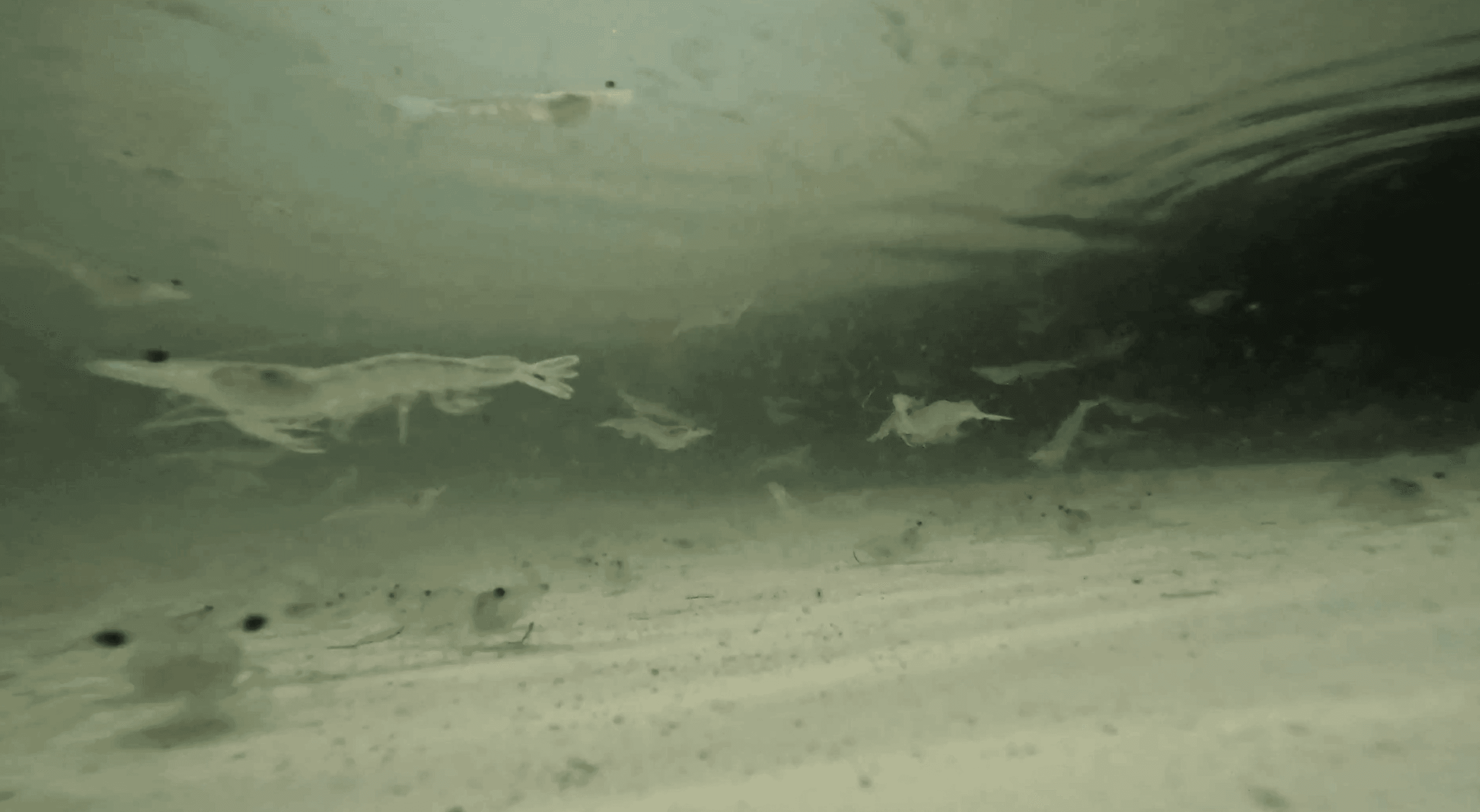
How Shrimp Farmers Benefit from SPF Bio-Secured Sandworms
Improving farming stability, broodstock health, and long-term aquaculture sustainability through SPF bio-secured nutrition.
Shrimp farming has become increasingly technology-driven and biologically sensitive over the last decade. Today, farmers are not only focused on improving production volumes but also on maintaining consistency, preventing disease outbreaks, and reducing operational risks. One of the most important factors influencing these outcomes is the quality and safety of biological feed used during hatchery and broodstock operations.
Traditional wild-sourced worms have long been used as a nutritional feed source in aquaculture. However, as farming intensifies, these uncontrolled feed sources are becoming a growing concern due to their potential to carry harmful pathogens, bacterial contamination, parasites, and viral diseases. Disease outbreaks such as WSSV, EHP, IMNV, Vibrio, and other biological threats continue to impact farm productivity, survival rates, and profitability.
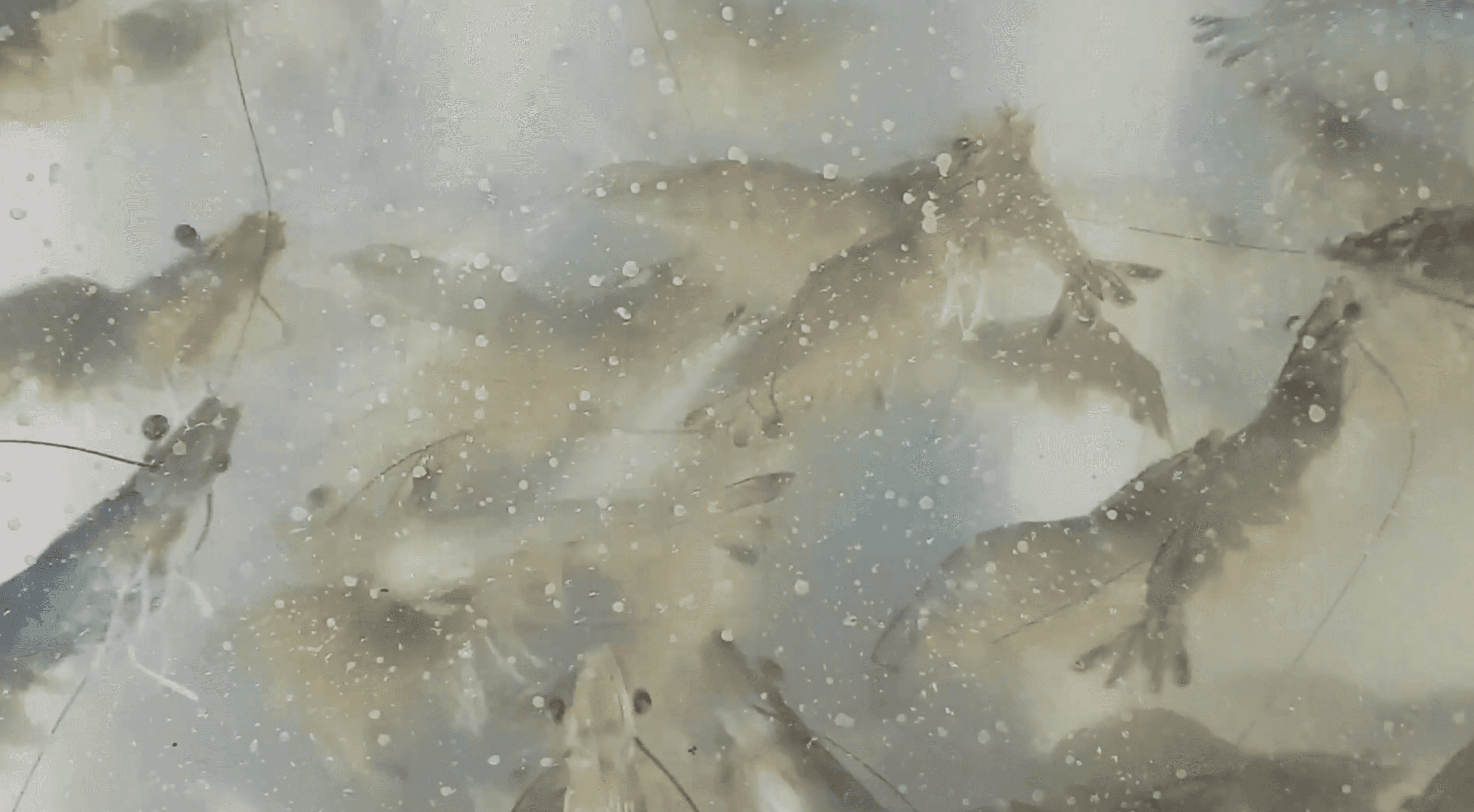
SPF bio-secured sandworms provide farmers with a scientifically controlled and safer alternative. Cultivated under monitored environmental conditions, these worms are designed to minimize biological risks while maintaining consistent nutritional quality throughout the cultivation cycle.
One of the major benefits of SPF bio-secured sandworms is their rich nutritional composition. They contain high levels of proteins, amino acids, DHA, EPA, HUFA, PUFA, vitamins, minerals, and essential fatty acids that support stronger broodstock development and improved reproductive performance.
Farmers using scientifically cultivated SPF worms can benefit from better broodstock maturation, improved egg quality, stronger nauplii development, enhanced immunity, higher fertility rates, and healthier hatchery outcomes. Since the worms are cultivated under controlled captive environments, the risks associated with contamination and inconsistent nutritional profiles are significantly reduced.
Another important advantage is operational consistency. Wild-collected worms often vary in quality depending on environmental conditions and sourcing methods. SPF culture systems help eliminate this inconsistency by maintaining standardized biological and nutritional conditions throughout production.
As aquaculture continues moving toward sustainable and bio-secured farming practices, SPF feed systems are becoming an essential part of modern hatchery and farm management. By reducing disease risks and improving production reliability, SPF bio-secured sandworms are helping shrimp farmers build healthier, safer, and more sustainable aquaculture operations.
BLOG & INSIGHTS
Exploring innovations, strategies, and the future.
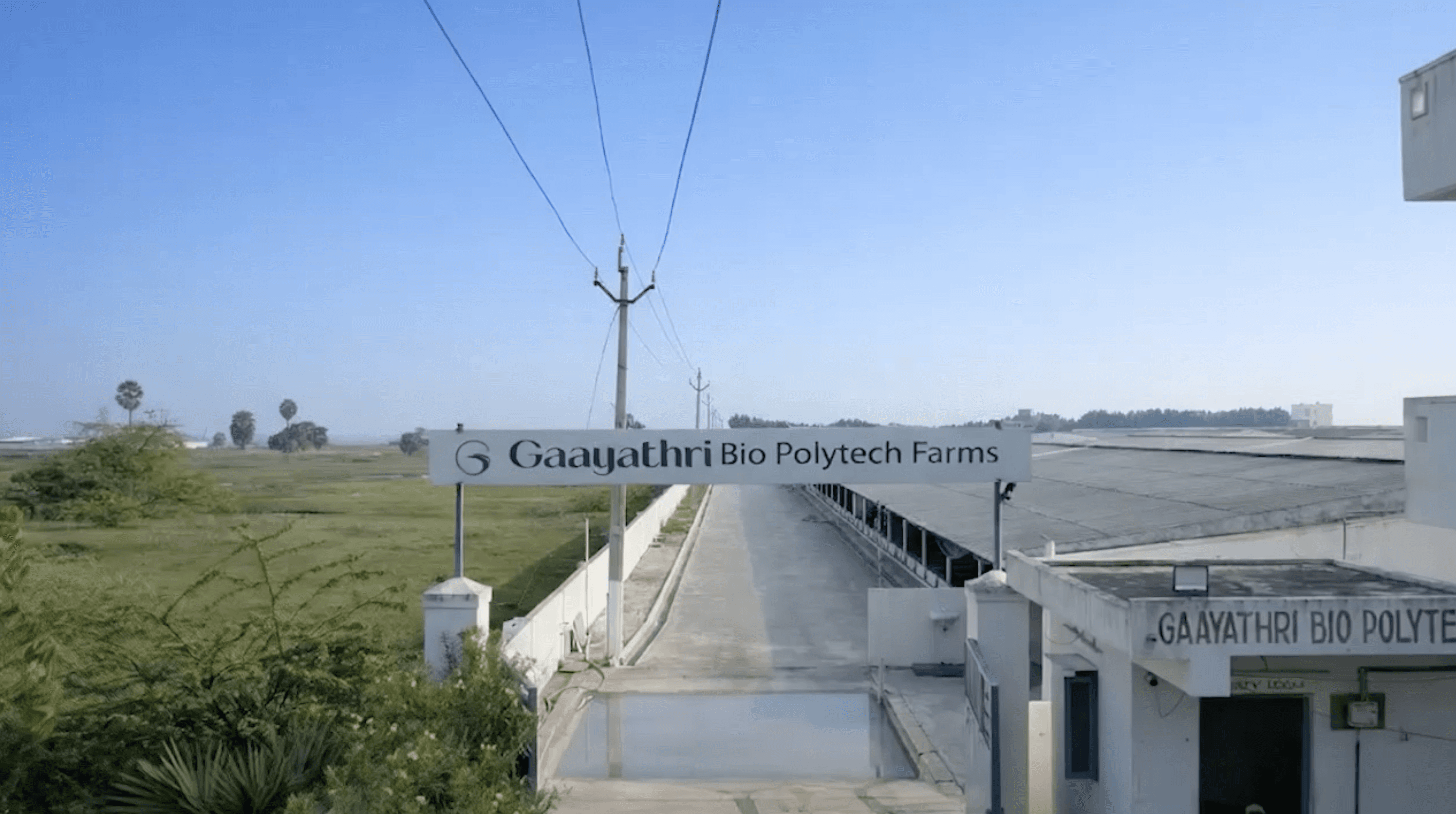
How Shrimp Farmers Benefit from SPF Bio-Secured Sandworms
Improving farming stability, broodstock health, and long-term aquaculture sustainability through SPF bio-secured nutrition.
Shrimp farming has become increasingly technology-driven and biologically sensitive over the last decade. Today, farmers are not only focused on improving production volumes but also on maintaining consistency, preventing disease outbreaks, and reducing operational risks. One of the most important factors influencing these outcomes is the quality and safety of biological feed used during hatchery and broodstock operations.
Traditional wild-sourced worms have long been used as a nutritional feed source in aquaculture. However, as farming intensifies, these uncontrolled feed sources are becoming a growing concern due to their potential to carry harmful pathogens, bacterial contamination, parasites, and viral diseases. Disease outbreaks such as WSSV, EHP, IMNV, Vibrio, and other biological threats continue to impact farm productivity, survival rates, and profitability.
SPF bio-secured sandworms provide farmers with a scientifically controlled and safer alternative. Cultivated under monitored environmental conditions, these worms are designed to minimize biological risks while maintaining consistent nutritional quality throughout the cultivation cycle.
One of the major benefits of SPF bio-secured sandworms is their rich nutritional composition. They contain high levels of proteins, amino acids, DHA, EPA, HUFA, PUFA, vitamins, minerals, and essential fatty acids that support stronger broodstock development and improved reproductive performance.
Farmers using scientifically cultivated SPF worms can benefit from better broodstock maturation, improved egg quality, stronger nauplii development, enhanced immunity, higher fertility rates, and healthier hatchery outcomes. Since the worms are cultivated under controlled captive environments, the risks associated with contamination and inconsistent nutritional profiles are significantly reduced.
Another important advantage is operational consistency. Wild-collected worms often vary in quality depending on environmental conditions and sourcing methods. SPF culture systems help eliminate this inconsistency by maintaining standardized biological and nutritional conditions throughout production.
As aquaculture continues moving toward sustainable and bio-secured farming practices, SPF feed systems are becoming an essential part of modern hatchery and farm management. By reducing disease risks and improving production reliability, SPF bio-secured sandworms are helping shrimp farmers build healthier, safer, and more sustainable aquaculture operations.
BLOG & INSIGHTS